
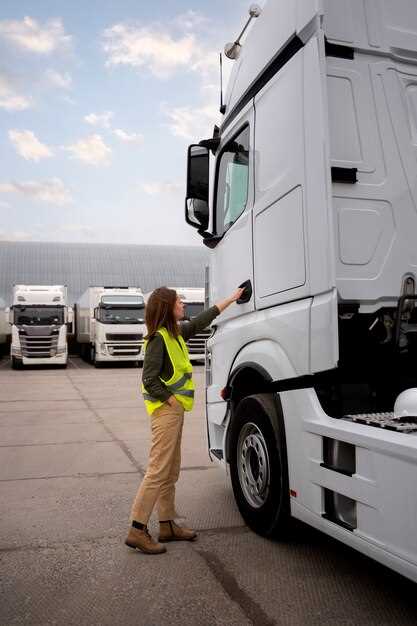
Hauling a trailer over long distances presents a unique set of challenges and considerations that every driver should be aware of. Proper preparation and understanding of best practices can make the difference between a smooth journey and a troublesome trip. From securing the load to ensuring the vehicle’s towing capacity is sufficient, each aspect plays a critical role in maintaining safety and efficiency on the road.
Planning is a vital first step in any long-distance trip involving a trailer. It’s essential to check the route for any potential obstacles, such as steep grades or low bridges, that could complicate the haul. Additionally, accounting for rest stops, fuel availability, and any necessary maintenance checks will help ensure that the journey remains fluid and trouble-free.
Another key aspect of long-distance trailer hauling is load distribution. Proper weight distribution not only enhances stability but also improves fuel efficiency. Making sure that the cargo is evenly distributed and secured will mitigate the risk of swaying or shifting during transit. Implementing these best practices not only safeguards the trailer but also ensures the safety of everyone sharing the road.
Preparing Your Vehicle and Trailer for Long Hauls
Preparing your vehicle and trailer for long hauls is essential to ensure a safe and efficient journey. Start by performing a thorough inspection of your vehicle’s engine, brakes, and tires. Ensure that the oil is at the correct level and examine belts and hoses for any signs of wear. Properly inflated tires can enhance fuel efficiency and provide better handling.
Next, check your trailer’s suspension and wheel bearings. Make sure that all lights are functioning correctly and that the brake system, including electronic brakes if applicable, is in good working order. Inspect the connections between the trailer and towing vehicle, verifying that the hitch is secure and that safety chains are properly attached.
It is also critical to distribute the load within the trailer evenly. This helps maintain stability during the haul and minimizes the risk of swaying. Utilize tie-downs to secure your cargo, preventing movement that could lead to accidents or damage.
Lastly, ensure that both your vehicle and trailer are equipped with emergency supplies, including a spare tire, jack, and basic repair tools. A well-prepared vehicle and trailer not only enhance safety but also contribute to a more enjoyable long-distance hauling experience.
Safety Checks and Maintenance Before Departing

Preparing for a long trip with a trailer requires thorough safety checks and maintenance to ensure a successful haul. Before hitting the road, it’s crucial to inspect multiple aspects of both the towing vehicle and the trailer itself. This comprehensive checklist will help minimize risks and enhance safety during your journey.
-
Towing Vehicle Inspection:
- Check fluid levels, including engine oil, coolant, and transmission fluid.
- Inspect the brakes for wear and proper functionality.
- Examine the tires for correct inflation, tread depth, and overall condition.
- Ensure that all lights, including headlights, brake lights, and turn signals, are operational.
- Test the battery and electrical connections.
-
Trailer Maintenance:
- Inspect the hitch and coupler for tightness and proper attachment.
- Check the security of all load-bearing components and safety chains.
- Examine trailer brakes, ensuring they are responsive and in good condition.
- Check tire pressure and tread on the trailer tires as well.
- Ensure that all lights on the trailer function correctly.
-
Load Distribution and Security:
- Verify that the load is evenly distributed to prevent swaying and instability.
- Use proper securing methods, such as straps and ratchets, to keep cargo in place.
- Check weight limits of both the trailer and towing vehicle to avoid overloading.
-
Emergency Preparedness:
- Keep a fully stocked emergency kit, including flares, first aid supplies, and basic tools.
- Ensure you have a spare tire for both the vehicle and trailer, along with necessary tools for changing a tire.
- Familiarize yourself with local laws and regulations regarding trailer hauling in different areas.
Completing these safety checks and maintenance tasks before your trip will significantly increase the safety and enjoyment of your long-distance trailer haul. Taking the time to prepare is essential for identifying potential issues and ensuring a smooth travel experience on the road.
Navigating Routes and Managing Fuel Stops Efficiently
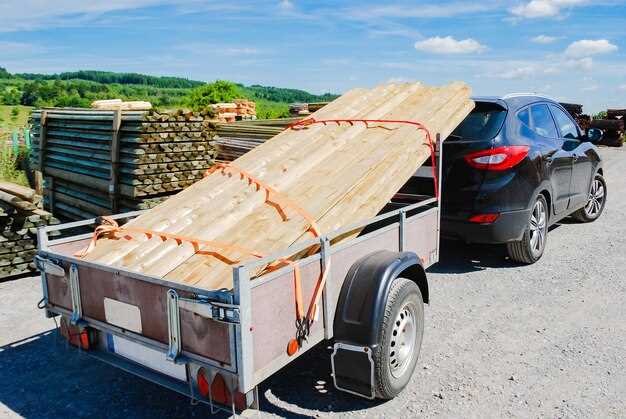
Planning a long-distance trip requires meticulous route navigation and effective fuel management to ensure a smooth haul. To maximize efficiency, utilizing advanced route-planning software can help identify the best paths, taking into account traffic patterns, road conditions, and any construction detours that may arise.
Before embarking on your journey, consider the following strategies:
1. Route Optimization: It’s essential to select routes that minimize travel time while maximizing safety. Using GPS systems that provide real-time traffic updates can significantly enhance your route choices. Look for roads that are not only direct but also have fewer stops, thereby ensuring a quicker haul.
2. Fuel Stop Planning: Knowing where to refuel is as crucial as choosing the right route. Research fuel stations along your trip that offer the best prices and services. Apps and platforms can help you locate truck-friendly stops, which often accommodate larger vehicles and provide amenities for drivers.
3. Monitoring Fuel Consumption: Keeping track of your vehicle’s fuel efficiency can help in making informed decisions about when and where to stop. Regularly monitor your fuel levels and consumption rates to avoid running low unexpectedly. Establishing a routine for checking your fuel can provide timely insights and prevent delays.
4. Break Management: Along with planning fuel stops, incorporate breaks into your schedule to rest and recharge. Driver fatigue can severely impact safety and efficiency during long hauls. Taking regular breaks not only enhances your alertness but also allows you to refuel your body.
5. Understand Load Weight: The weight of your haul directly influences fuel efficiency. Familiarize yourself with the weight limits of your vehicle to avoid unnecessary fuel consumption. Ensure your load is balanced and secure, as this contributes to better fuel economy over long distances.
By strictly adhering to these practices, drivers can significantly improve the effectiveness of their long-distance trips. Efficient navigation and strategic fuel management not only save time but also cut costs, leading to a successful haul.


