
Ensuring the safety of cargo during transport is a critical aspect of logistics and freight management. The right tie-down systems play a pivotal role in securing loads, preventing shifts or damage while en route. With an array of options available, it’s essential to understand the best solutions that cater to different cargo types and transportation methods.
Tie-downs are designed to provide stability and security, whether you’re moving construction materials, recreational vehicles, or household goods. The effectiveness of a tie-down system hinges on its design, material strength, and ease of use. Selecting the appropriate system can significantly impact not only the integrity of the load but also the safety of everyone involved in the transportation process.
In this article, we will explore the top tie-down systems that excel in providing safe transport solutions. From ratchet straps to cam buckle systems, each option presents unique benefits tailored to specific cargo requirements. Understanding these systems is crucial for operators seeking to enhance their shipment safety standards while optimizing efficiency in their transport operations.
Choosing the Right Tie-Down for Different Cargo Types

Selecting the appropriate tie-down system is crucial for ensuring the safe transport of various types of cargo. Different cargo types demand different levels of control and security during transit. Understanding the unique requirements of your cargo will guide you in choosing the most effective tie-down options.
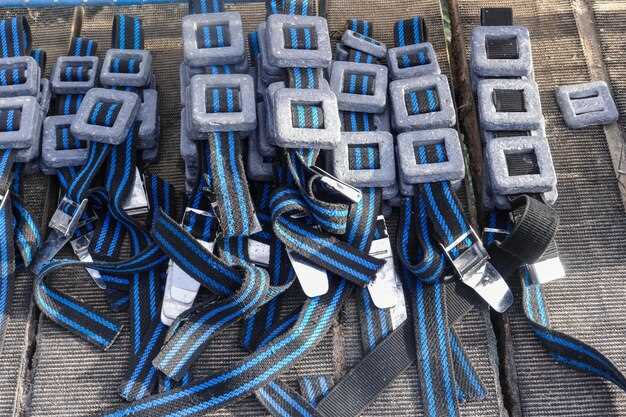
For lightweight cargo, such as soft goods or bags, cam buckle straps provide an easy and effective solution. These straps allow for quick adjustments and do not require significant tension, minimizing the risk of damage to delicate items.
When dealing with medium-weight items, such as furniture or appliances, ratchet straps are ideal. They offer more control over securing the load, allowing you to achieve the necessary tightness to prevent shifting during transport. Be sure to check the working load limit to ensure safety.
For heavy machinery or industrial equipment, chain tie-downs or webbing straps should be utilized. Chains provide exceptional strength and durability, making them suitable for securing bulky cargo. Coupled with the right tensioning device, they can effectively handle extreme weight, ensuring that there is no movement during transport.
Lastly, when transporting vehicles, such as motorcycles or cars, consider wheel chocks along with tie-down straps. Using a combination of these tools offers comprehensive control, keeping the vehicle stable and preventing any unwanted movement.
In summary, the key to selecting the right tie-down is to assess the characteristics of your cargo. Each type of material and weight class has an optimal tie-down solution that guarantees maximum stability and safety during transportation.
Key Features to Look For in Tie-Down Equipment
When selecting tie-downs for safe transportation, it is essential to focus on specific features that ensure both effectiveness and reliability. First and foremost, the material quality plays a crucial role. Look for tie-downs made from high-strength materials like polyester or nylon, which provide excellent durability and resistance to moisture and abrasions.
Another important feature is the working load limit (WLL) and breaking strength. The WLL indicates the maximum weight the tie-down can safely secure without failure, while the breaking strength indicates the point at which the tie-down will break. Always choose tie-down equipment with a WLL that exceeds the weight of the load to ensure optimal control during transport.
Adjustability is also a vital characteristic. Tie-downs that offer adjustable lengths or come with built-in sliders allow users to customize the fit, providing better control over how the load is secured. This flexibility can prevent shifting or movement during transport, which is critical for maintaining safety.
Furthermore, consider the mechanism of the tie-down system. Ratchet straps are preferable for heavy loads due to their ability to tighten securely, while cam buckle straps offer quick and easy usability for lighter items. Each mechanism has its advantages, so choose one that aligns with the specific needs of your cargo.
Compatibility with different anchor points also matters. Ensure that the tie-down equipment is designed to work effectively with the anchorage systems of your vehicle or trailer. This compatibility ensures a proper fit and maximum control over the load being transported.
Lastly, ease of use and storage should not be overlooked. Features such as quick-release mechanisms and compact storage options enhance user experience, making it simpler to secure and remove tie-downs as necessary. Prioritizing these key features will lead to safer transport solutions and better control over your loads.
Proper Techniques for Securing Cargo During Transit
When transporting cargo, the use of effective tie-downs is crucial to ensure safety and stability. Proper techniques for securing cargo involve several key practices that can significantly reduce the risk of shifting or damage during transit.
First, it is essential to assess the cargo’s dimensions and weight. Understanding these factors allows for the selection of the appropriate type and number of tie-downs. Overloading or under-utilizing tie-downs can lead to ineffective control over the cargo during movement.
Secondly, cargo should be evenly distributed within the transport vehicle. This balance helps maintain stability and prevents the tie-downs from bearing an uneven load, which can compromise their effectiveness. If possible, anchor heavier items at the bottom and distribute lighter items evenly on top.
Next, always use high-quality tie-down systems that are rated for the specific weight of the cargo. Ratchet straps, cam buckle straps, and heavy-duty ropes are common examples. Ensure that the tie-downs are free from wear or damage and are properly rated for safety.
During the securing process, make sure to attach tie-downs at multiple points across the cargo. This method creates a more robust control system, preventing lateral and vertical movement. Use a combination of horizontal and vertical tie-downs to secure the load effectively.
After applying the tie-downs, perform a thorough check to confirm that all connections are tight and secure. It is advisable to periodically inspect the cargo during transit, particularly on long trips, to ensure that nothing has come loose.
Lastly, familiarize yourself with the specific regulations regarding cargo securing in your region. Compliance with local laws not only promotes safety but also protects against potential legal issues. Proper techniques for securing cargo are vital for ensuring safe transport solutions and preventing accidents on the road.


