
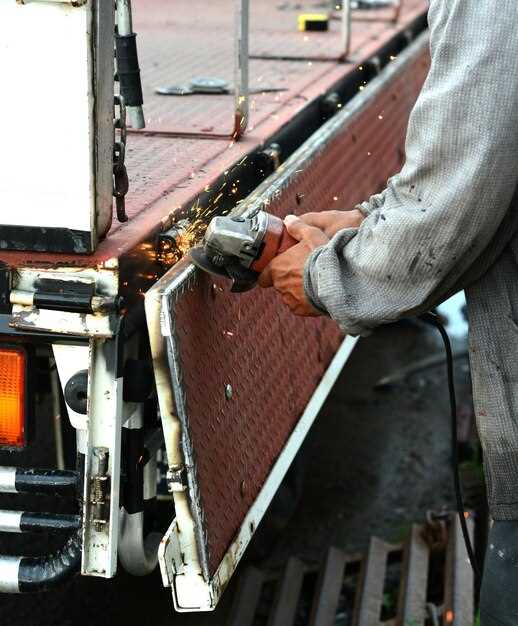
When it comes to maintaining your trailer, one of the most critical aspects to consider is the frame. The trailer frame provides the essential support structure, and any signs of wear and tear, particularly rust, can compromise its integrity.
Regularly inspecting your trailer frame for rust and structural damage is vital for ensuring safety and longevity. Rust can weaken the material, leading to potential failures when the trailer is in use. To avoid accidents and costly repairs, it is important to check for signs of corrosion, especially in areas where moisture is likely to accumulate.
By taking the time to assess the condition of your trailer frame, you can identify problems early and implement necessary repairs or preventative measures. This proactive approach not only enhances the durability of your trailer but also contributes to safer towing and increased peace of mind on the road.
Identifying Signs of Rust on Your Trailer Frame
Regular maintenance of your trailer is essential to ensure its longevity and safety. One of the most critical aspects of trailer care is inspecting the frame for rust. Rust can compromise the structural integrity of the trailer, leading to potential hazards on the road. Here are key indicators to help you identify signs of rust on your trailer frame.
- Visual Inspection: Start by visually examining all sections of the trailer frame. Look for any patches of discoloration, flaking, or bubbling paint. These are often early warnings of rust formation beneath the surface.
- Surface Texture Change: Run your hands over the trailer frame to feel for rough or uneven areas. Rust can create a pitted texture on metal surfaces, indicating corrosion development.
- Orange or Red Stains: Rust typically presents itself as orange or red stains on metal surfaces. These stains can often be found near welds, joints, and areas where water might accumulate.
- Corrosion Between Joints: Pay special attention to the joints and connections on the trailer frame. Moisture can get trapped in these areas, leading to rapid rust formation. Look for any signs of corrosion or discoloration around these critical points.
- Odor of Rust: Sometimes, rust can produce a distinct metallic odor. If you notice a strange smell during your inspection, it may indicate the presence of rust.
If any signs of rust are present, it’s crucial to address them promptly. Ignoring even minor signs can lead to more severe damage over time. Utilize wire brushes, rust inhibitors, and protective coatings to mitigate rust effects. Regular inspections and maintenance will keep your trailer frame in optimal condition, ensuring safety and reliability on your travels.
Assessing Structural Integrity During Inspection
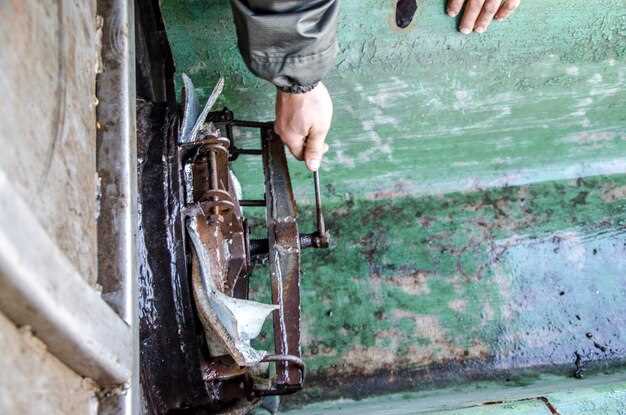
When inspecting a trailer, assessing structural integrity is crucial to ensure safety and longevity. One of the key elements to examine is rust, which can compromise the frame’s strength. Begin by checking all exposed metal surfaces for signs of corrosion. Pay close attention to joints and welds, as these areas are more susceptible to rust accumulation.
Utilize a flashlight to illuminate hard-to-see spots, as rust can often hide in crevices or behind other components. If rust is detected, evaluate its severity; surface rust may be treatable, while deep pitting indicates more significant damage that may require replacement of structural components.
Additionally, check for any signs of deformation or bending in the trailer frame, which could signal underlying structural issues. Ensure that cross members and support beams are intact and not cracked or warped. If any structural damage is found, it is essential to address these concerns before proceeding with further use of the trailer.
Overall, a thorough inspection for rust and structural integrity is imperative in maintaining a safe and functional trailer. Regular checks will help identify potential problems early, ensuring that the trailer remains reliable and safe for transport.
Best Practices for Regular Maintenance and Prevention

Regular maintenance of your trailer is essential for ensuring the longevity and safety of its frame. Begin by routinely checking for any signs of rust or structural damage. Early detection can prevent more significant issues down the line.
Schedule periodic inspections at least every six months, especially if the trailer is frequently exposed to moisture or harsh weather conditions. During each inspection, focus on areas where water can accumulate, as these are prone to rust formation. Use a flashlight to carefully examine the trailer frame for any discoloration, flaking, or pitting.
Cleaning the trailer frame should be a part of your regular upkeep. Wash it with a mild detergent and water solution to remove dirt, grime, and any accumulated debris. After cleaning, make sure to dry the frame thoroughly to minimize moisture exposure.
Applying a protective coating is another effective preventive measure. Consider using rust inhibitor spray or undercoating to protect the metal from corrosion. Ensure that you cover all exposed surfaces and pay special attention to seams and welds, as these areas are more vulnerable to rust.
Additionally, inspect the trailer’s hardware, such as bolts and screws, for rust or wear. Replace any damaged components immediately to maintain the structural integrity of the frame. Keeping the trailer well-lubricated will also help prevent rust in moving parts.
Finally, store your trailer in a dry, sheltered location when not in use. Exposure to the elements accelerates wear and rust formation. If outdoor storage is unavoidable, consider investing in a high-quality cover that provides protection from moisture and UV rays.


