
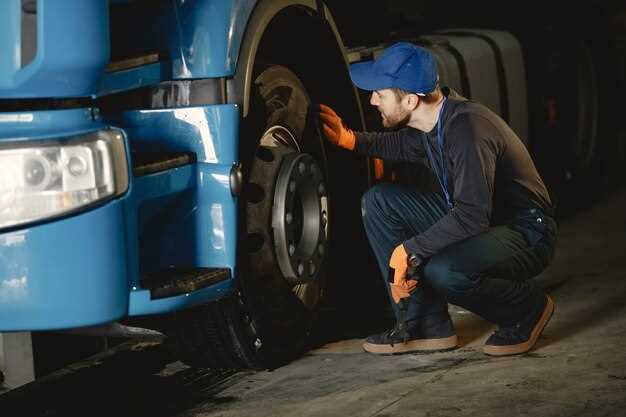
Proper maintenance of trailer bearings is crucial for ensuring the smooth operation and longevity of your trailer. Bearings play a vital role in minimizing friction between moving parts, allowing for safe and efficient transportation. Neglecting this essential component can lead to performance issues, increased wear, and even potential breakdowns on the road.
This comprehensive guide will walk you through the process of lubricating your trailer bearings, highlighting the importance of regular upkeep. By following these detailed steps, you can significantly reduce the risk of bearing failure and enhance the overall safety of your towing experience. Regular checks and proper lubrication not only extend the life of your bearings but also bolster the reliability of your entire trailer system.
Whether you are a seasoned trailer owner or a novice, understanding how to maintain your bearings effectively will empower you to take charge of your vehicle’s performance. Let’s dive into the specifics of ensuring your bearings are well lubricated and performing at their best.
Lubricating Trailer Bearings: A Complete Step by Step Guide
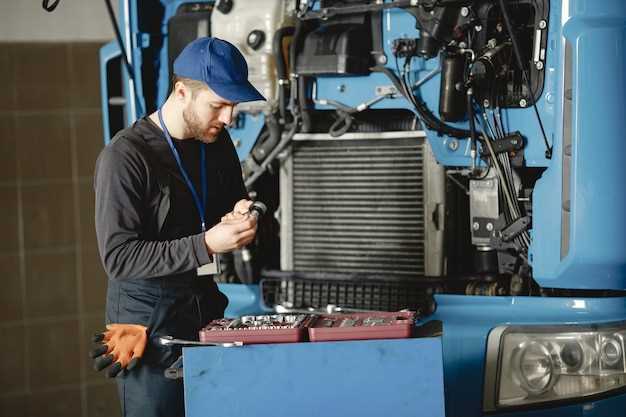
Trailer bearings play a crucial role in ensuring the smooth operation of your trailer, reducing friction, and preventing wear and tear. Proper lubrication is essential for maintaining these bearings and ensuring their longevity. Follow this detailed guide to effectively lubricate your trailer bearings.
Step 1: Gather Necessary Tools and Materials
Before beginning the lubrication process, collect the necessary tools: a grease gun, appropriate grease for your bearings, a jack, jack stands, and a bearing packer if available. Ensure that you have safety goggles and gloves to protect yourself during the process.
Step 2: Lift the Trailer
Position your trailer on a level surface and securely lift it using a jack. Place jack stands under the trailer to ensure stability and safety while you work on the bearings.
Step 3: Remove the Wheel
Using a lug wrench, loosen the lug nuts on the trailer wheel. Once they’re loose, remove the nuts completely and take off the wheel to access the hub where the bearings are located.
Step 4: Access the Bearings
After removing the wheel, take off the hub cover or dust cap to expose the bearings. Depending on your trailer, you may need to remove retaining clips to free the bearings for lubrication.
Step 5: Clean the Bearings
Before applying new grease, clean the existing bearings thoroughly. Use a solvent to remove old grease and any debris. Inspect each bearing for signs of damage or excessive wear; replace any that appear compromised.
Step 6: Apply New Grease
Using a grease gun, apply a generous amount of grease to each bearing. If using a bearing packer, place the bearing inside it and apply grease until it oozes out. Make sure all surfaces are well-greased to prevent any dry spots.
Step 7: Reassemble the Hub
Once the bearings are lubricated, carefully reinsert them into the hub. Replace the dust cap or hub cover, ensuring a snug fit to keep dirt and moisture out. Install any retaining clips if applicable.
Step 8: Reattach the Wheel
Place the wheel back onto the trailer hub and hand-tighten the lug nuts. Use the lug wrench to securely tighten them in a crisscross pattern to ensure even pressure is applied.
Step 9: Lower the Trailer
Using the jack, gently lower the trailer back to the ground. Remove the jack stands and ensure everything is secure before proceeding.
Step 10: Repeat for All Wheels
Repeat this process for all trailer wheels. Regular maintenance of trailer bearings is crucial to ensure safe towing and to extend the life of your trailer.
By following these detailed steps, you will ensure that your trailer bearings are properly lubricated, minimizing the risk of failure during use. Regular lubrication will not only enhance performance but also contribute to safer travels.
Preparing Your Tools and Materials for Bearing Maintenance
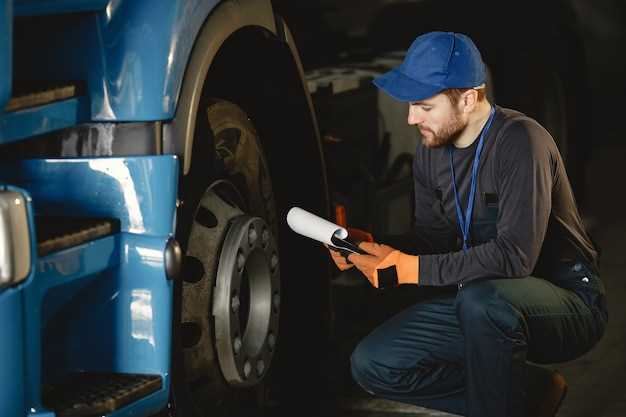
Before starting bearing maintenance on your trailer, it is essential to gather the right tools and materials. Proper preparation will ensure a smooth and efficient maintenance process.
First, collect the necessary tools. You will need a socket set, wrenches, and screwdrivers to remove any retaining hardware. A bearing packer or a simple grease gun will allow you to properly lubricate the bearings. Additionally, a rubber mallet can help in gently tapping parts without causing damage.
Next, ensure you have the right materials on hand. High-quality wheel bearing grease is crucial for optimal performance and longevity. Always check the specifications for your trailer’s bearings to choose the appropriate type of grease. You may also want to have shop towels or rags available for cleanup and to wipe off any old grease during the maintenance process.
Consider also having a parts cleaner or solvent to remove dirt and grime from the bearings. This will help in identifying any wear or damage on the components. Having a container to place the cleaned bearings and parts is useful to keep everything organized throughout the maintenance process.
Lastly, ensure that you have safety equipment, such as gloves and safety glasses. These will protect you from grease and debris while maintaining your trailer. Being prepared with the right tools and materials not only streamlines the process but also contributes to the overall safety and efficiency of your maintenance work.
Step-by-Step Instructions for Lubricating Trailer Bearings
Properly lubricating trailer bearings is essential for ensuring longevity and optimal performance. Follow these detailed steps for effective lubrication.
Step 1: Gather Necessary Tools and Materials
To begin, collect the following items: a bearing grease gun, marine-grade grease, a clean rag, a jack, jack stands, and if applicable, a wheel puller. Ensure you have a suitable workspace that is clean and well-lit.
Step 2: Prepare the Trailer
Park the trailer on a level surface and engage the parking brake. Use the jack to lift the trailer until the wheels are off the ground. Secure the trailer with jack stands for safety.
Step 3: Remove the Wheels
Loosen and remove the lug nuts using a wrench. Carefully take off the wheels to expose the hub assembly and bearings. If the bearings do not easily come out, use a wheel puller to assist with removal.
Step 4: Inspect the Bearings
Examine the bearings and races for any signs of wear, corrosion, or damage. If they are compromised, replace them before proceeding. Clean the remaining parts with a rag to remove old grease and debris.
Step 5: Pack the Bearings with Grease
Using your fingers or a bearing packer, apply a generous amount of marine-grade grease to each bearing. Ensure that the grease is properly worked into the bearings, filling all cavities until the grease surfaces out.
Step 6: Reassemble the Hub
Place the bearings back into their respective races within the hub assembly. Ensure that they sit evenly and securely. Put the wheel back onto the axle, aligning the lug holes properly.
Step 7: Secure the Wheel
Hand-tighten the lug nuts onto the studs. Once all nuts are in place, use a torque wrench to tighten them to the manufacturer’s specifications, ensuring that the wheel is securely fastened.
Step 8: Lower the Trailer
Carefully lower the trailer back to the ground by removing the jack stands and cautiously lowering the jack. Ensure that the trailer is stable before removing any tools or equipment.
Step 9: Repeat the Process
If your trailer has multiple axles, repeat the lubrication process for each wheel, ensuring comprehensive maintenance of all bearings.
Step 10: Clean Up
Dispose of any old grease and clean your workspace. Store your tools and materials properly for future use.
Regular lubrication of trailer bearings is crucial for maintaining safe and efficient towing. It is recommended to check and lubricate bearings at least once a year or before long trips.
Common Mistakes to Avoid When Maintaining Your Trailer Bearings
Proper maintenance of trailer bearings is crucial for ensuring safety and longevity. However, many individuals make common mistakes that can lead to premature failure or damage. Here are several pitfalls to avoid:
- Neglecting Regular Inspections:
Failing to regularly inspect trailer bearings can result in unnoticed wear and tear. Schedule periodic checks to identify potential issues early.
- Using the Wrong Lubricant:
Not all lubricants are suitable for every bearing type. Always use the manufacturer’s recommended grease to ensure proper protection and performance.
- Over-greasing or Under-greasing:
Applying too much grease can cause overheating and seal failure, while too little can lead to inadequate lubrication. Strike the right balance to maintain optimal bearing performance.
- Ignoring Seal Condition:
Bearings rely on seals to keep dirt and moisture out. Inspect seals regularly for cracks or wear, and replace them as necessary to protect your bearings.
- Forgetting to Clean Before Greasing:
Failing to clean bearings before applying new grease can mix contaminants with fresh lubricant, compromising performance. Clean thoroughly to ensure effective maintenance.
- Inconsistent Maintenance Schedule:
Establish a consistent maintenance routine based on usage frequency. Inconsistent care can lead to unexpected bearing failures.
- Implementing DIY Repairs Without Knowledge:
Attempting repairs without adequate knowledge can exacerbate existing issues. If unsure, seek professional help to avoid further damage to your trailer bearings.
By avoiding these common mistakes, you can significantly enhance the lifespan and reliability of your trailer bearings, leading to safer travels and reduced maintenance costs.


