
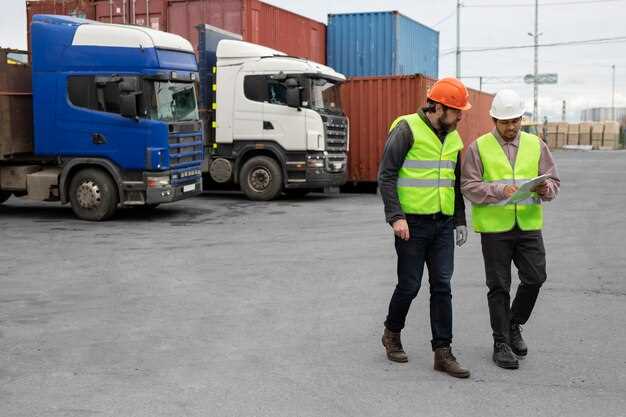
When it comes to enhancing your business operations, the choice of equipment can significantly influence your success. Trailers have emerged as indispensable assets for various industries, providing flexibility and convenience for transporting goods and equipment. However, understanding how to effectively collaborate with local contractors can further amplify the potential of utilizing trailers in your business processes.
Engaging with local contractors not only fosters community relationships but also ensures that your business benefits from expertise and resources that are readily available. These partnerships can streamline logistics, reduce costs, and enhance service delivery, ultimately improving client satisfaction. By leveraging local knowledge, businesses can efficiently address their trailer needs while navigating the complexities of compliance and licensing.
Moreover, local contractors often possess a wealth of experience in customizing trailer solutions tailored to specific business requirements. Their insights can help identify the most suitable trailer types and configurations for your operations, ensuring optimal functionality and performance. In a competitive market, such collaborations can provide your business with a distinct advantage in terms of efficiency and reliability.
Identifying the Right Local Contractors for Your Trailer Needs
When seeking local contractors for trailer services, it is crucial to identify those who align with your specific business requirements and operational goals. Begin by researching contractors who specialize in trailer customization, repair, or transportation. Look for reviews and testimonials to gauge their reputation and experience in the field.
Establishing partnerships with reliable contractors can enhance your operational efficiency and ensure quality service. Consider contractors who have expertise with the type of trailer you own or require, whether it be for transporting goods, equipment, or recreational use.
Another critical aspect is to evaluate their communication and responsiveness. Effective partnerships are built on transparency and timely interactions. Reach out to multiple contractors to discuss your needs and assess their willingness to understand your business objectives.
Additionally, verify their certifications and insurance, which can provide peace of mind about their professionalism and reliability. A contractor who invests in their credentials demonstrates a commitment to quality and safety, which can be vital for your business operations.
Lastly, consider the cost of services, but remember that the cheapest option may not always provide the best value. Weigh the costs against the quality of service offered. Establishing a long-term relationship with a trusted local contractor can ultimately save you time and resources, positively impacting your business growth.
Negotiating Favorable Terms for Business Partnerships with Contractors

Establishing effective partnerships with local contractors for trailer use can be pivotal for the success of your business. Achieving favorable terms requires strategic negotiation techniques. Here are key points to consider:
- Research and Preparation
- Understand the contractor’s business model and services offered.
- Analyze the market rates for trailer rentals and services in the area.
- Identify your specific needs regarding trailer usage and logistics.
- Define Mutual Benefits
- Clearly outline how the partnership can benefit both parties.
- Discuss potential for future projects that may require extended trailer use.
- Highlight opportunities for referrals and increased business visibility.
- Flexible Terms
- Be open to negotiating terms that can accommodate both parties’ needs.
- Consider seasonal or volume discounts based on your project requirements.
- Discuss payment options, including upfront payments or financing plans.
- Open Communication
- Ensure ongoing dialogue to address concerns quickly.
- Set expectations clearly regarding availability and condition of trailers.
- Provide feedback on services to foster a long-term relationship.
- Document Agreements
- Draft a clear contract outlining all negotiated terms and conditions.
- Include clauses for conflict resolution to handle disputes effectively.
- Review the contract with legal counsel to ensure compliance and protection.
By focusing on these strategies, you can create solid partnerships with contractors that enhance your operations and optimize the use of trailers, ultimately contributing to your business’s growth and success.
Ensuring Compliance and Safety Standards in Trailer Operations

Establishing effective partnerships with local contractors is essential for ensuring compliance and safety standards in trailer operations. These collaborations allow businesses to leverage the expertise of local professionals who are well-versed in the specific regulations and safety protocols relevant to trailer use.
To maintain compliance, it is vital for all parties involved to stay informed about the latest local, state, and federal regulations. This includes understanding weight limits, load securement methods, and inspection requirements. Local contractors can provide invaluable insights into these regulations and facilitate adherence through regular training sessions and workshops.
Safety standards must also be prioritized to prevent accidents and enhance operational efficiency. Implementing comprehensive safety checklists, regular maintenance schedules, and thorough operator training are essential components. Local contractors can assist in creating tailored safety programs that align with the unique needs of the business and ensure that all personnel are equipped with the necessary skills and knowledge.
Additionally, utilizing reliable trailers that meet industry standards is crucial. Local contractors often have established relationships with reputable trailer suppliers, allowing businesses to acquire well-maintained and compliant equipment. By working together, organizations can reduce the risk of equipment failure and ensure that all trailers operate safely on the road.
Regular communication and feedback between partners are essential to continually assess compliance and safety strategies. This helps identify areas for improvement and enhances overall operational performance. By fostering a culture of safety and compliance, businesses can protect their workforce, minimize legal risks, and ensure the longevity of their trailer operations.


