

When choosing an enclosed trailer, it’s essential to understand the key features that can significantly impact its functionality and suitability for your needs. An enclosed trailer offers more than just storage; it provides protection for your valuable cargo from the elements, security against theft, and enhanced aesthetics during transport. Selecting the right trailer requires careful consideration of various factors to ensure it meets your specific requirements.
One of the primary aspects to consider is the size of the trailer. Enclosed trailers come in various dimensions, and selecting the appropriate size is crucial for accommodating the items you plan to transport. From cargo capacity to overall weight limitations, understanding your needs will assist in making an informed decision. Additionally, look for features such as ventilation systems and loading options that can further enhance the usability of the trailer.
Another important feature is the construction material. The durability of an enclosed trailer is often determined by the materials used in its construction. Options like aluminum and steel provide different benefits in terms of weight, strength, and resistance to rust. Evaluating these materials will ensure that you select a trailer that not only fits your budget but also lasts for years at a high level of performance.
Assessing Weight Capacity and Load Distribution
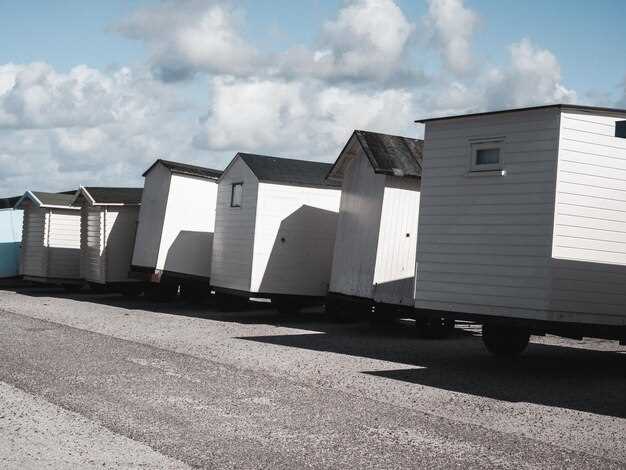
When evaluating enclosed trailers, understanding their weight capacity is crucial. Each trailer comes with a specified maximum load limit, often detailed in the manufacturer’s specifications. This limit indicates the total weight that the trailer can safely carry, including the weight of the trailer itself, cargo, and any additional equipment. Exceeding this limit can lead to safety hazards, including compromised stability and increased wear on tires and brakes.
Equally important is load distribution. Properly distributing weight within an enclosed trailer can enhance its handling characteristics and reduce strain on the trailer’s structure. Load should be balanced across the axles, ensuring that no single axle carries an excessive burden. An uneven distribution can lead to swaying, difficulty in braking, and potential damage to the trailer. Placing heavier items closer to the axle and lighter items towards the front or back helps maintain equilibrium.
Furthermore, assessing the weight capacity also involves considering the type of cargo being transported. Different materials and shapes may affect how weight is distributed. Items that can shift during transport should be secured effectively to minimize the risk of imbalance. Using proper tie-downs and anchor points is essential to keep cargo stable, thereby enhancing safety and performance during transit.
In summary, understanding the weight capacity and implementing effective load distribution strategies are key features to consider when selecting and using enclosed trailers. These factors not only contribute to the longevity of the trailer but also ensure a safe and efficient hauling experience.
Evaluating Insulation and Weather Resistance

When selecting an enclosed trailer, evaluating insulation and weather resistance is crucial for ensuring the protection of your cargo. Proper insulation helps to maintain internal temperatures, making it essential for transporting sensitive items that may be affected by extreme heat or cold.
The materials used in the trailer’s construction significantly impact its insulation properties. Look for trailers with thick walls made from materials like fiberglass or foam, as these provide better thermal resistance compared to standard metal constructions. Additionally, consider the trailer’s design, such as double-walled construction, which can enhance insulation performance.
Weather resistance is another vital factor to consider. Good weather resistance protects your cargo from rain, snow, and UV rays. Evaluate the type of sealants and weather stripping used around doors and windows, as well-sealed areas prevent moisture infiltration. Furthermore, a durable exterior finish, such as aluminum or galvanized steel, can enhance the trailer’s longevity and resistance to corrosion.
Finally, review the drainage systems implemented in the trailer design. Proper drainage prevents water accumulation, reducing the risk of mold growth and structural damage. Selecting an enclosed trailer with both effective insulation and robust weather resistance ensures the safety and integrity of your valuable cargo, regardless of external conditions.
Choosing the Right Door Type for Accessibility
When selecting an enclosed trailer, one of the critical features to consider is the type of door, particularly in terms of accessibility. The door type can significantly impact how easily you can load and unload items or accommodate individuals with specific mobility needs.
There are several door options available, each with its unique benefits. Rear ramp doors are popular for their ease of access. They allow for a smooth transition from ground level into the trailer, making them ideal for loading heavy or wheeled items such as motorcycles or equipment. This type is especially useful for users who may have difficulty stepping into a trailer due to physical limitations.
Side entry doors are another option worth considering, particularly if the trailer needs to be accessed frequently or in tight spaces. These doors provide a convenient passage without the need for lifting or climbing. It is essential to ensure that the side door is large enough to accommodate the items you plan to transport, as well as to provide adequate space for individuals to enter and exit comfortably.
For trailers intended for transporting people, consider models with wider doors that comply with accessibility standards. Features such as adjustable ramps or power-assisted doors can improve usability significantly. Additionally, ensure that the door latches and handles are ergonomic and easy to operate, even for users with limited dexterity.
Ultimately, the choice of door type should align with the specific needs of the users and the purpose of the trailer. A thoughtful evaluation of your accessibility requirements will enhance the overall functionality and convenience of your enclosed trailer, making it a valuable asset for years to come.


