

When it comes to hauling a trailer during the winter months, drivers face unique challenges that require heightened awareness and preparation. Snow-covered roads can significantly impact vehicle handling and braking distances, making it imperative for drivers to adopt safe practices while towing. Ensuring both the trailer and the towing vehicle are equipped to handle winter conditions is crucial for a successful journey.
The combination of snow, ice, and reduced visibility can create hazardous conditions for anyone on the road, especially for those towing heavy loads. Understanding how to properly equip your vehicle, adjust your driving habits, and recognize the signs of potential issues can not only prevent accidents but also foster a safer driving environment for all.
This article will explore essential tips for winter driving that specifically apply to those transporting trailers. From tire selection to weight distribution and emergency preparedness, we will provide practical advice to help you navigate winter roads safely and confidently while ensuring your trailer remains secure and stable throughout your journey.
Preparing Your Trailer for Snowy Conditions

Driving in winter can present significant challenges, especially when hauling a trailer. Proper preparation is essential to ensure safety and efficiency. Here are key steps to get your trailer ready for snowy conditions:
- Inspect Your Tires:
- Ensure that the trailer tires have adequate tread depth for traction.
- Consider using winter tires designed for snow and icy surfaces.
- Check tire pressure regularly, as cold temperatures can reduce pressure.
- Check Trailer Lights:
- Ensure all lights are functioning, including brake lights, turn signals, and running lights.
- Clean any snow or ice from the light fixtures for maximum visibility.
- Secure Load:
- Ensure all cargo is tightly secured to prevent shifting during transport.
- Distribute weight evenly to maintain stability while hauling.
- Inspect Brakes:
- Test the trailer brakes to ensure they respond effectively.
- Consider using electric brakes if towing a heavier load.
- Maintain Battery and Electrical Connections:
- Check the battery charge as cold weather can drain batteries quickly.
- Inspect electrical connections for signs of corrosion or wear.
- Prepare Emergency Supplies:
- Pack a winter emergency kit that includes flares, a flashlight, and blankets.
- Include a shovel, ice scraper, and a bag of sand or salt for traction.
By taking these precautions, you can enhance the safety and performance of your trailer while hauling in winter conditions. Always drive cautiously and be prepared for changing weather conditions.
Mastering Traction Techniques While Towing
When winter conditions blanket the roads in snow, towing a trailer can present unique challenges. Mastering traction techniques is essential for safely hauling a trailer during these months. Understanding the dynamics of weight distribution, tire grip, and vehicle control will significantly enhance your driving experience.
First and foremost, ensure your towing vehicle is equipped with appropriate winter tires. These tires provide improved traction on snowy and icy surfaces and reduce the risk of skidding. Additionally, check the tire pressure regularly, as cold temperatures can cause air pressure to drop, impacting performance.
It’s crucial to distribute the weight of the trailer evenly. Proper weight distribution enhances traction by ensuring that the load remains balanced. An overloaded front or rear can lead to reduced control and increased chances of losing traction. Using a weight distribution hitch can help manage this balance effectively.
While driving, maintain a steady speed and avoid sudden movements. Gentle acceleration and decelerating are key to maintaining traction on slick surfaces. If you start to skid, steer into the slide instead of overcorrecting; this will help regain control of the vehicle and trailer.
When descending hills, use the engine braking technique to reduce speed rather than relying solely on the brakes. This method helps avoid wheel lock-up, which can occur on slippery surfaces. If you need to use brakes, do so gently to maintain traction.
Always increase your following distance when towing in winter conditions. Slippery roads require more time to stop, especially with a trailer in tow. Maintaining a greater distance allows for more reaction time in emergencies and helps prevent collisions.
Finally, consider using tire chains if the snow conditions are particularly severe. Chains improve grip significantly on packed snow and ice, but it’s important to practice using them before you find yourself in a challenging situation on the road.
By mastering these traction techniques while towing, you can safely navigate the winter roads, ensuring a secure and controlled hauling experience even in the harshest of conditions.
Emergency Procedures for Winter Trailer Travel
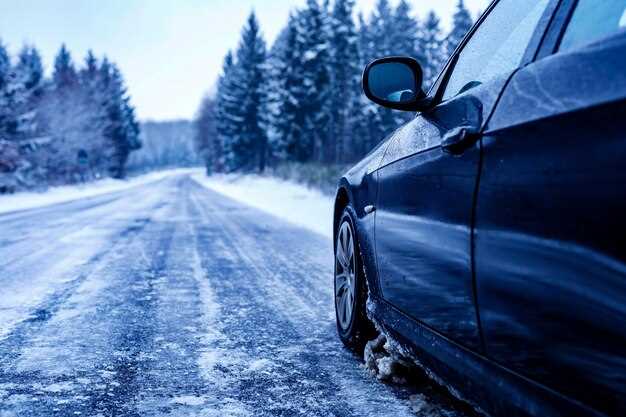
When hauling a trailer in winter conditions, being prepared for emergencies is crucial. Snow and ice can create hazardous driving situations, and knowing how to respond can prevent accidents and ensure safety.
Always carry an emergency kit, which should include warm blankets, a flashlight, first-aid supplies, and non-perishable snacks. A shovel can be indispensable for clearing snow, and traction aids like sandbags or kitty litter can help if you get stuck.
If you experience a breakdown, pull over to the side of the road as safely as possible. Turn on hazard lights to alert other drivers. Stay inside your vehicle to remain warm until help arrives. If you must exit, make sure to wear reflective clothing to increase visibility.
In case of skidding, avoid slamming on the brakes. Instead, steer gently in the direction you want the front of the trailer to go. If you find yourself sliding on ice, gently easing off the accelerator can help regain control.
When traveling through heavy snow, consider finding a safe spot to wait until conditions improve. Avoid driving during snowstorms as visibility decreases and roads become treacherous. Always inform someone of your travel plans and expected arrival time in case you don’t reach your destination.
Regularly check weather forecasts and road conditions before heading out. Being informed can help you make better decisions regarding travel routes and safety. Remember, safety should always be the top priority during winter trailer transport.


