
When it comes to hauling heavy loads, gooseneck trailers have carved out a prominent niche in the realm of transportation. These trailers, characterized by their unique coupling system that attaches to a ball hitch in the bed of a truck, are designed for duty applications requiring stability and high capacity. As we delve deeper into the world of gooseneck trailers, we will uncover the advantages they offer for both commercial and personal use.
The structural design of a gooseneck trailer allows it to handle significantly heavier weights compared to traditional bumper-pull trailers. This makes them an ideal choice for various industries, including agriculture, construction, and livestock transportation. Their ability to distribute weight evenly over the towing vehicle enhances safety and maneuverability, making them a reliable option for those who frequently transport large payloads.
Benefits of gooseneck trailers extend beyond just weight capacity. The enhanced turning radius they provide can facilitate easier navigation in tight spaces, while their durability ensures longevity under rigorous conditions. As we explore these features in further detail, it becomes clear that gooseneck trailers represent a practical and efficient solution for those seeking to maximize hauling potential.
Understanding the Design and Mechanics of Gooseneck Trailers
Gooseneck trailers are a specialized type of trailer designed to tow heavy loads with enhanced stability and control. Their unique construction features a distinct connection point that is crucial for maximizing towing efficiency. Understanding the design and mechanics of gooseneck trailers is essential for their effective use in various applications.
The primary feature of gooseneck trailers is the gooseneck hitch, which connects to a mounting point in the bed of a pickup truck. This hitch design allows for better weight distribution compared to traditional bumper-pull trailers. Key components of gooseneck trailers include:
- Frame: The chassis of a gooseneck trailer is typically constructed from heavy-duty steel to support significant loads. This durability ensures longevity and reliability in various hauling conditions.
- Couple: The gooseneck hitch is positioned over the truck’s axle, providing improved stability when towing. This design minimizes sway and allows for tighter turning radii.
- Axles: Gooseneck trailers often come equipped with multiple axles, distributing the load evenly. This feature is crucial for heavy-duty applications and contributes to safer towing.
- Deck: The trailer deck is usually flat, facilitating easy loading and unloading of various heavy equipment. Options like dovetail or beavertail designs can enhance loading convenience.
The mechanics behind gooseneck trailers also involve specific weight considerations. When loaded, the center of gravity is lowered, helping the driver maintain control of the vehicle. This configuration is particularly beneficial when hauling equipment or materials across uneven terrain.
- Load Capacity: Gooseneck trailers are designed for heavy-duty use, with many models capable of supporting loads ranging from 10,000 to over 30,000 pounds.
- Towing Stability: Due to the hitch location and design, the weight is distributed more evenly than with traditional trailers, leading to less fishtailing and improved handling.
- Versatility: These trailers can be used for a wide range of applications, including transporting livestock, construction equipment, and recreational vehicles.
In conclusion, the design and mechanics of gooseneck trailers play a critical role in their effectiveness for heavy-duty hauling. Understanding these components allows users to maximize their benefits, ensuring safe and efficient transportation of substantial loads.
Key Advantages of Using Heavy Duty Gooseneck Trailers for Transport
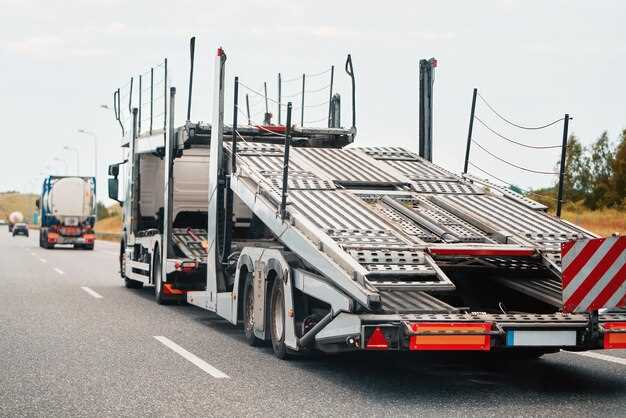
Heavy duty gooseneck trailers are specifically designed to handle substantial loads, making them ideal for transporting bulky equipment and materials. Their structural strength allows for increased weight capacity compared to standard trailers, ensuring safe transport of heavier items.
One of the primary benefits is stability. The unique hitching mechanism of gooseneck trailers provides a lower center of gravity, which enhances vehicle stability during transit. This is particularly advantageous when navigating uneven terrain or making sharp turns.
Moreover, heavy duty gooseneck trailers offer superior maneuverability. They can pivot more easily than traditional trailers, enabling easier handling in tight spaces. This is crucial for industries requiring frequent repositioning at job sites.
In addition, these trailers often feature extended deck space, allowing for the transport of oversized equipment. The longer design also accommodates more load configurations, which increases versatility for various transport needs.
Another significant advantage is enhanced safety. Heavy duty gooseneck trailers typically come equipped with robust braking systems and stronger axles, reducing the risk of accidents and improving stopping power. This is essential when hauling large, heavy loads.
Lastly, investing in heavy duty gooseneck trailers can lead to cost savings over time. Their durability and ability to transport heavier loads mean fewer trips are needed for the same amount of goods, thereby increasing efficiency and reducing fuel costs.
Best Practices for Maintenance and Safety with Gooseneck Trailers

Maintaining a gooseneck trailer is essential to ensure safety and longevity, especially when hauling heavy-duty loads. Regular upkeep not only prolongs the life of the trailer but also enhances the safety of the towing vehicle and other road users.
1. Regular Inspections
Conduct thorough inspections of your trailer before and after every use. Check the tires for proper inflation and wear, ensuring they can handle the weight of heavy loads. Inspect the hitch connection and safety chains to verify their integrity. Regularly examine the lights and brakes for functionality, as these are critical for road safety.
2. Proper Lubrication
Lubricate the moving parts of the trailer, including the axles and bearings, according to the manufacturer’s guidelines. This practice prevents friction and wear, enhancing the trailer’s overall performance. Use a quality lubricant suitable for heavy-duty applications.
3. Load Distribution
Ensure that loads are evenly distributed across the trailer. Improper weight distribution can lead to instability, making it challenging to control the vehicle while towing. Heavy-duty loads should be secured with straps or chains to prevent shifting during transit.
4. Brake System Maintenance
Inspect and maintain the braking system regularly. Heavy loads require a reliable braking system to ensure safe stopping. Replace brake pads and check the brake fluid levels consistently. Consider upgrading to a more robust braking system if you frequently haul large loads.
5. Tire Care
Tires are a critical component when towing heavy-duty trailers. Check tire pressure monthly and look for signs of wear or damage. Rotate tires regularly to promote even wear and replace them if they show significant wear or have reached their tread wear indicators.
6. Cleanliness and Storage
Keep your gooseneck trailer clean and free of debris, especially if it has been used for heavy-duty purposes. Store the trailer in a sheltered area to protect it from harsh weather conditions, which can accelerate wear and damage. Use a cover to shield it from the elements when not in use.
7. Educate Yourself
Stay informed about safe towing practices and relevant regulations. Understanding the limitations and capabilities of your gooseneck trailer will help you make informed decisions regarding maintenance and safety during transport.
By following these best practices, you can ensure that your gooseneck trailer remains in optimal condition and operates safely while transporting heavy-duty cargo.


